Energy-conscious design is less about buzzwords and more about everyday comfort. A well-considered home can feel warmer in winter, cooler in summer and more efficient to run — without making unverifiable claims about performance.
Fabric and glazing
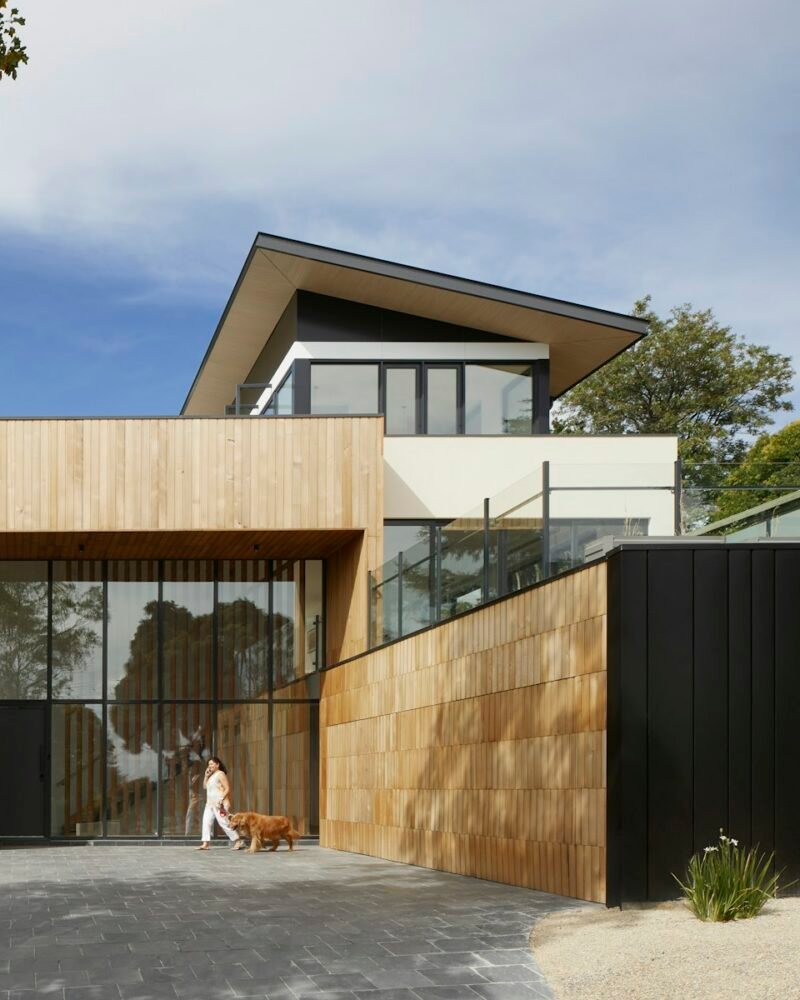
Insulation and well-fitted windows help reduce heat loss. When viewing a new home, ask how the building fabric and glazing contribute to comfort, and notice how daylight enters the main living spaces.
Heating and draughts
Modern heating systems are designed to work efficiently when the home is well sealed. Understanding controls early helps you use them effectively. Simple habits — closing doors between heated spaces, using thermostats thoughtfully — still matter.
Appliances and future readiness
Efficient appliances reduce everyday consumption. Many buyers also look ahead to electric vehicle charging or flexible working needs. Asking about provision for future technology can be as useful as reviewing the current specification.
Daylight and orientation
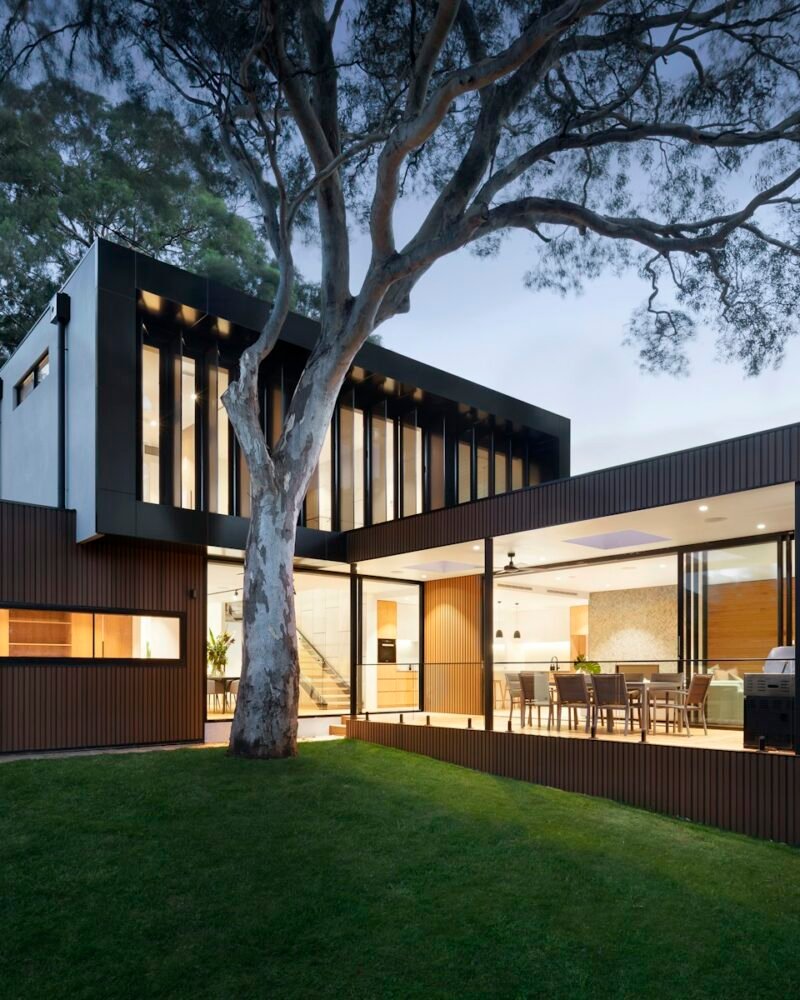
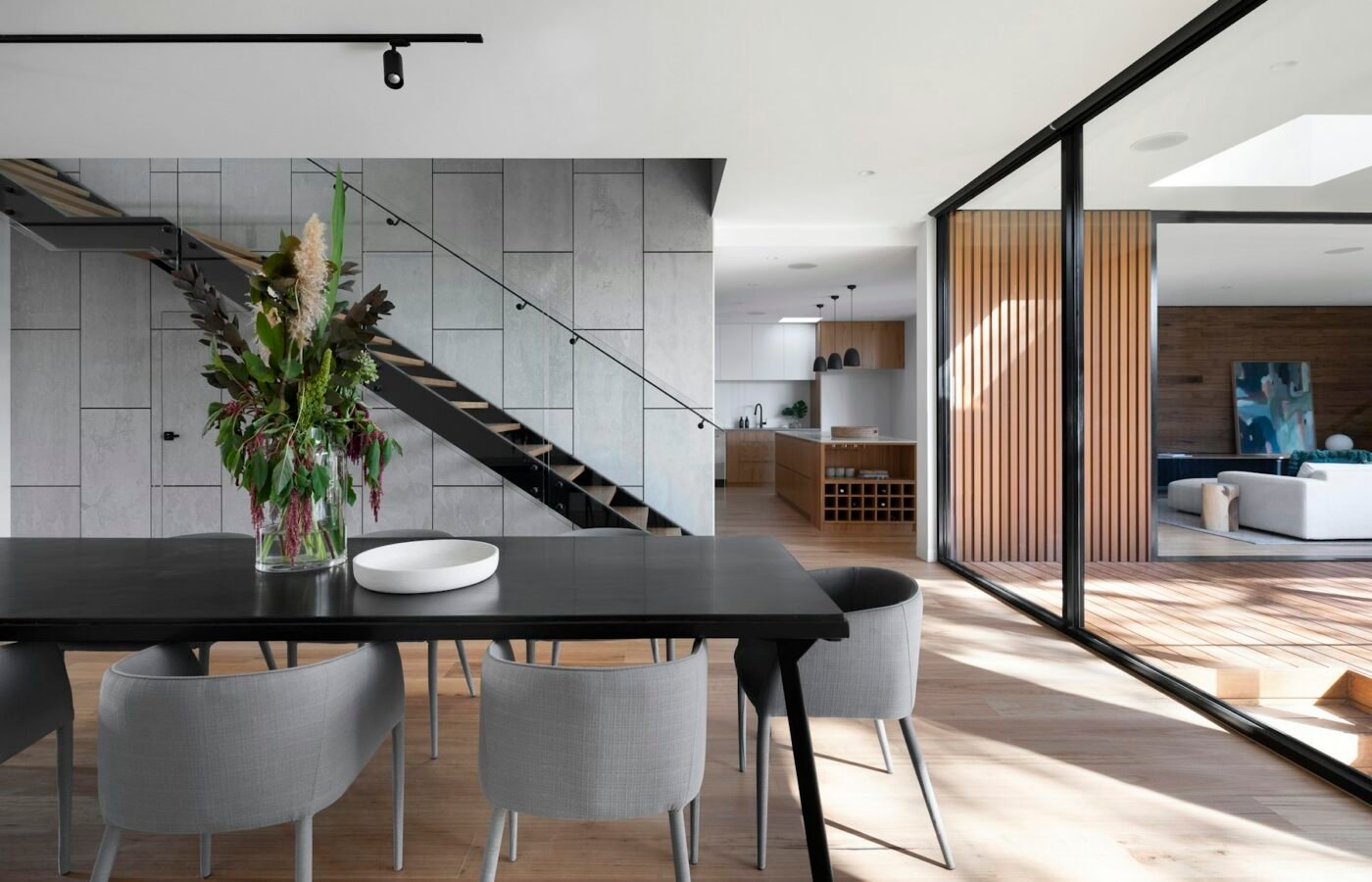
Natural light reduces the need for artificial lighting during the day and influences how rooms feel season to season. Orientation, window placement and internal layouts all play a part in how a home performs in ordinary life.